After Hours Answering Service for Restoration Companies: Voicemail, People or AI?
The short answer: an after hours answering service for restoration companies has one job, which is to stop the 2am water damage call going to the next company on the map. Voicemail is free, but plenty of those callers hang up and ring someone else. A human answering service costs a few hundred dollars a month and up. An AI receptionist sits in between on price and answers every call on the first ring, with clear limits on what it can do.
This guide compares all three honestly, with the published prices we could verify and some numbers from our own research on how the top Google Maps listings in this trade are set up.
Why the 2am call matters more in restoration than almost anywhere else
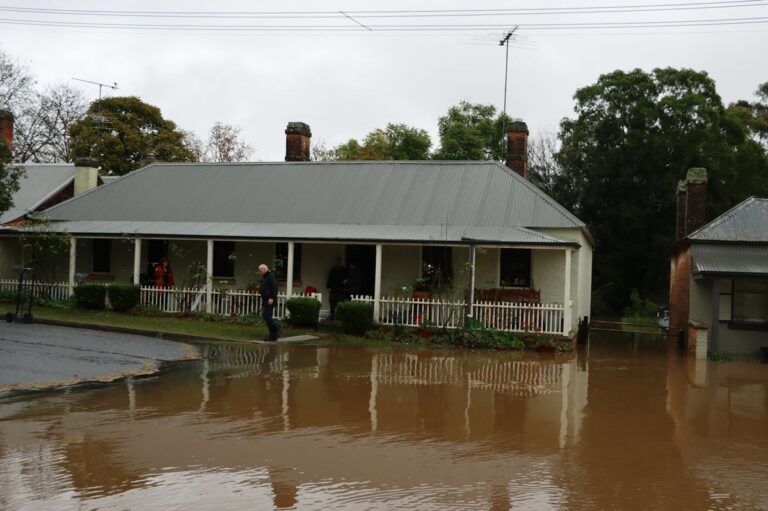
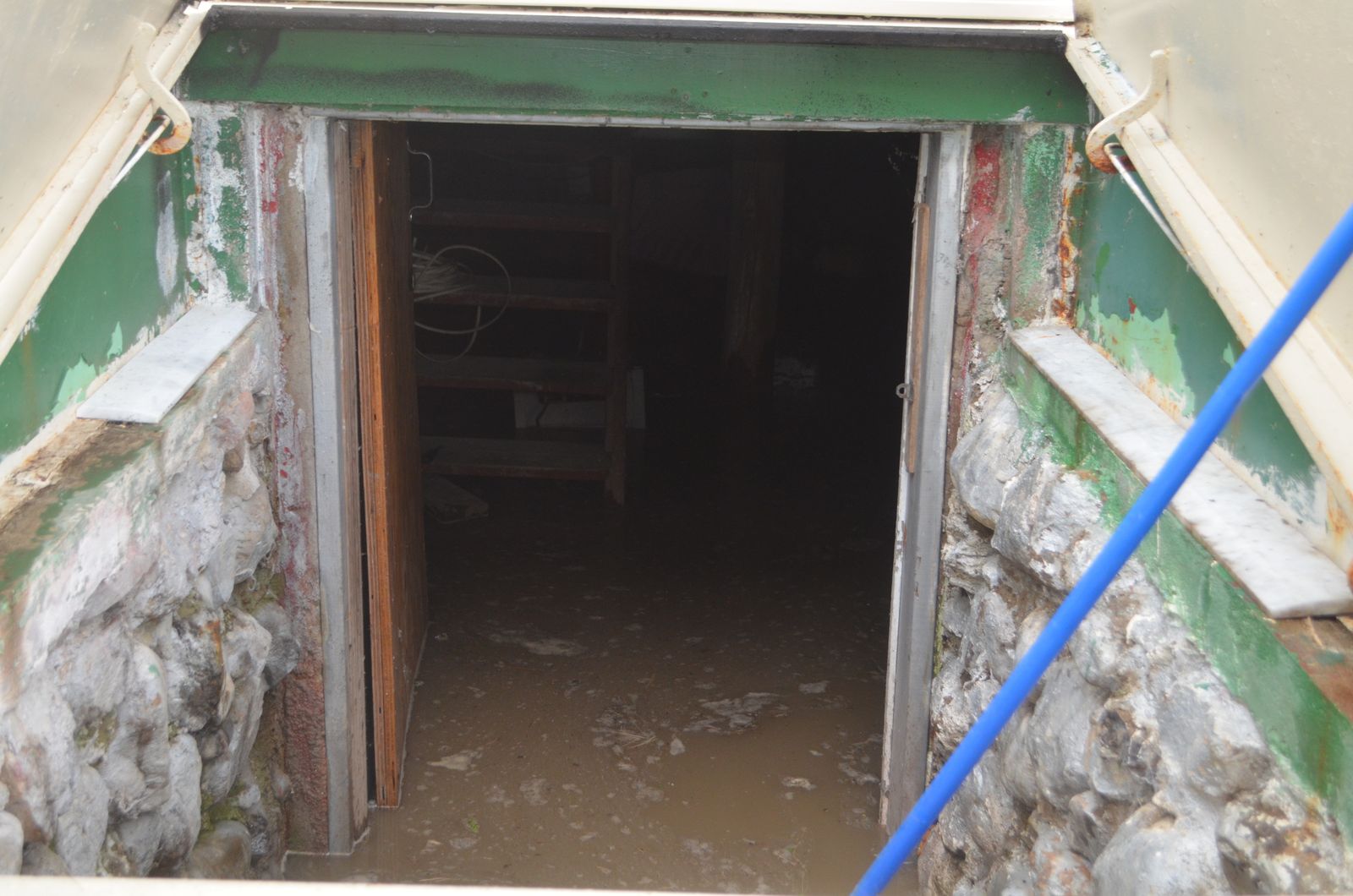
Most businesses can let an evening enquiry wait until morning. Water damage can’t. The EPA’s own guidance says it is important to dry water damaged areas and items within 24 to 48 hours to prevent mold growth. A homeowner standing in a wet basement at night knows the clock is running, even if they’ve never read that page.
So they don’t leave a message and wait. They go back to the search results and ring the next number. If you’re the company that didn’t pick up, you usually never find out the job existed. There’s no lost lead in your CRM, just a quiet morning.
That’s the real cost of an unanswered phone in this trade. It isn’t one missed call. It’s the highest value job type you do, handed to a competitor at the moment the customer was ready to say yes to anyone who answered.
What the top of Google Maps looks like after dark
We recorded Google’s local results for water damage restoration across 30 US cities in October 2026 and ended up with 1,156 distinct businesses. One of the things we captured was whether each listing was set to open 24 hours.
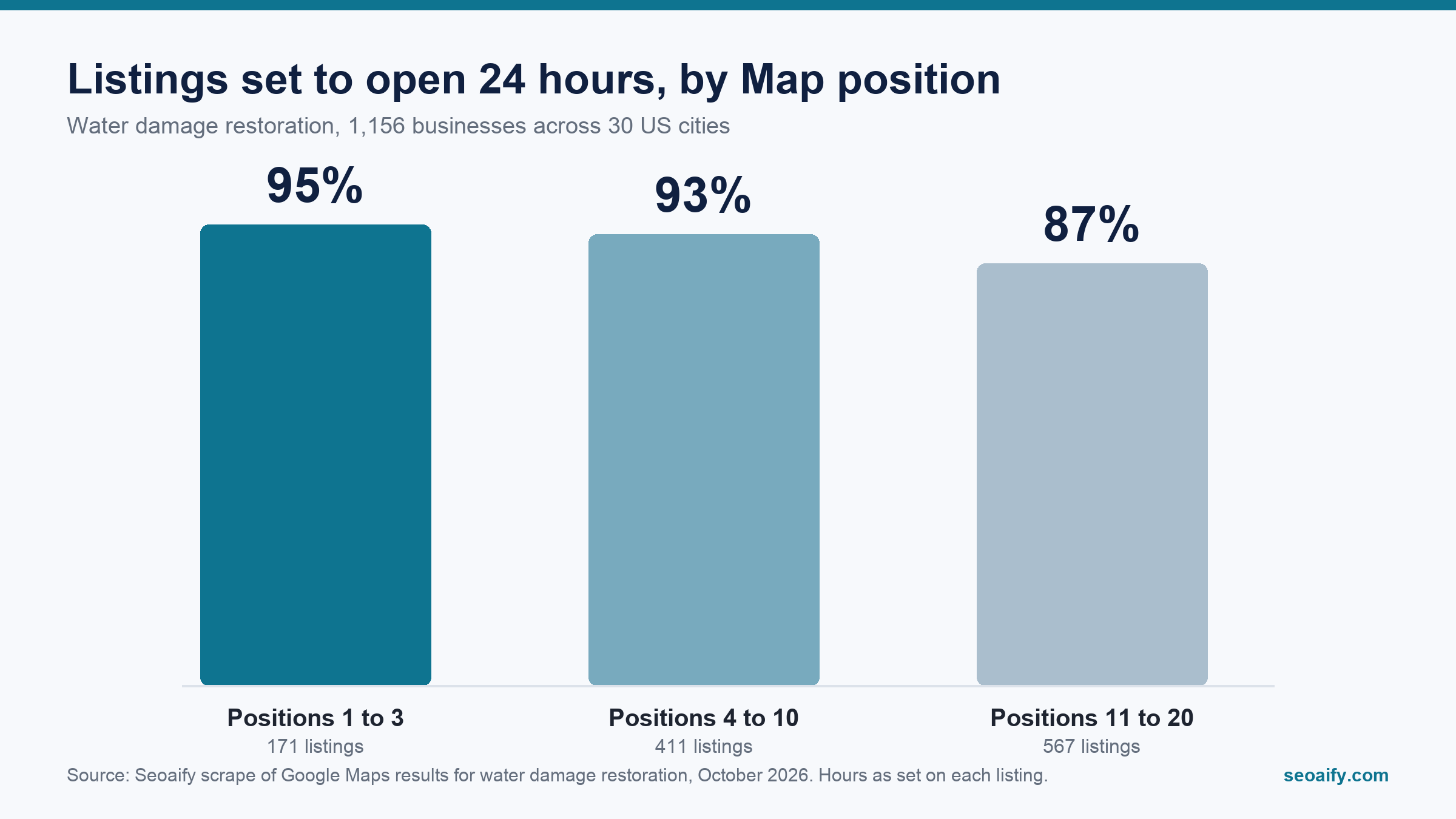
In the top three, 95% of listings were set to open 24 hours. At positions 4 to 10 it was 93%. At positions 11 to 20 it fell to 87%.
We want to be careful with that. It is a correlation from one snapshot, not proof that switching your hours to 24 moves you up. Most of the field already claims round the clock cover, which is exactly the point: in this trade, saying you’re open at 2am is table stakes. Nearly everyone near the top says it. The difference between companies is whether anyone actually answers when the phone rings. Our full study of what decides local rank for water damage companies has the rest of the numbers and the method.
There’s also a money angle if you run Local Services Ads. Since 1 October, Google can charge for some missed calls during the hours you advertise, and for most restoration companies that means every hour. We covered how that works in our piece on LSA missed call charges. A listing that says 24 hours and a phone that doesn’t get answered is now a cost, not just a missed chance.
Your three options for after hours calls
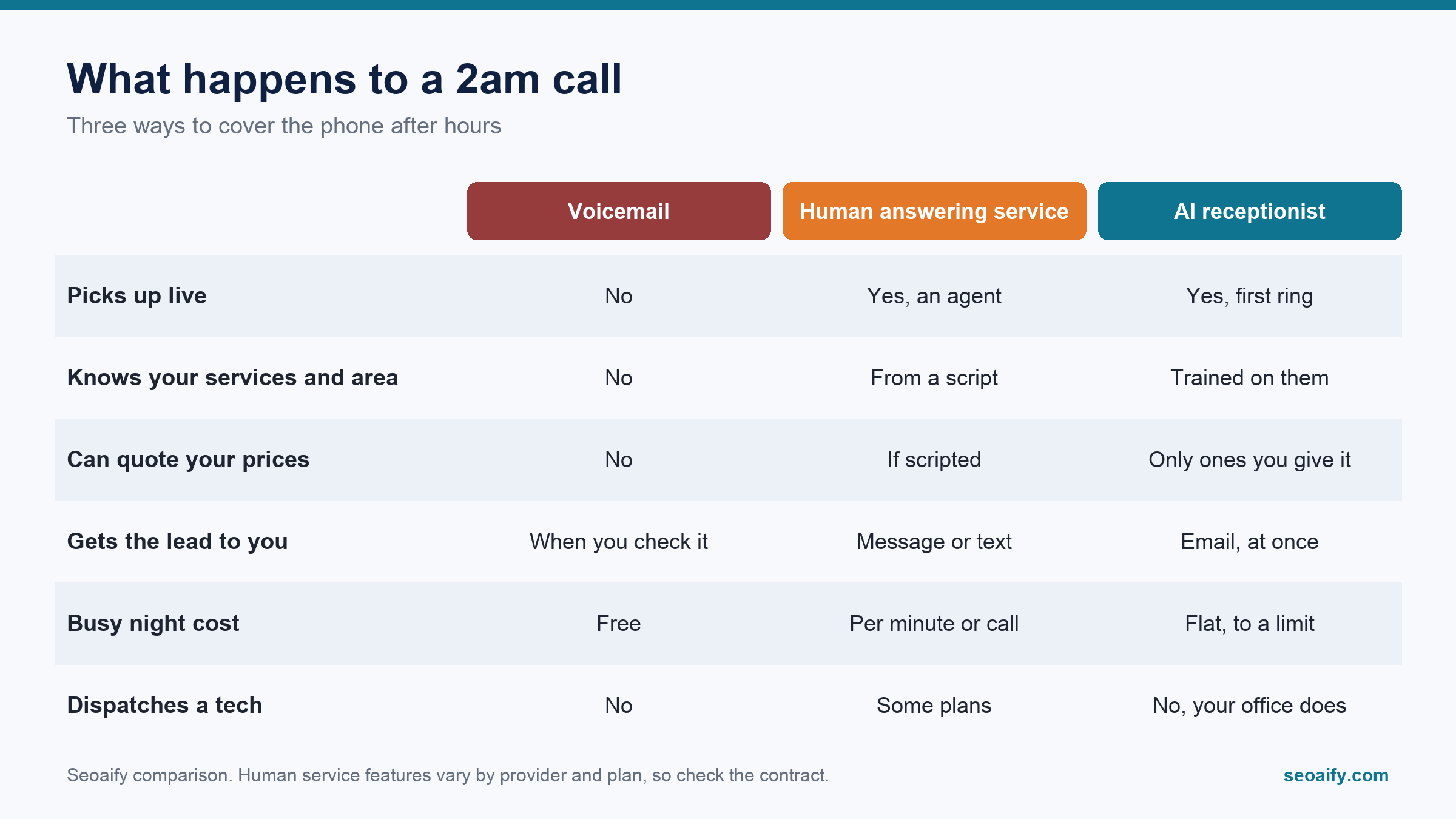
Almost every restoration company ends up with one of these, or a mix of them. Here’s how they stack up on the things that matter at night.
Option 1: voicemail, or the owner’s mobile
This is where most small crews start. Calls forward to the owner’s phone, and if he’s asleep or on a job they go to voicemail.
What it does well: it costs nothing and you hear from the caller directly when you do pick up. What it can’t do is hold someone who’s panicking. A caller with water coming through the ceiling rarely leaves a careful message with their address and a callback number. Many just hang up and dial the next listing. And the owner who answers every 2am call himself is the same person who has to run the crew at 8am. That works for a while and then it doesn’t.
Option 2: a human answering service
A live answering service puts a trained agent on your line at night. They work from a script you agree with them, take the caller’s details and pass them on, often by message or text, and some plans will page your on call technician for genuine emergencies.
What it does well: a real person on the line is reassuring, and a good agent can handle an upset caller with some warmth. The weak points are cost on busy nights and depth of knowledge. Agents answer for many businesses at once, so they know your company from a script rather than from your price list and service area. Most plans are priced by the minute or by the call, which means your bill goes up in the exact weeks a storm floods half the town.
Here’s what two well known providers publish on their own pricing pages, as of 21 October 2026:
- Ruby lists its virtual receptionist plans by minutes: $250 a month for 50 minutes, $395 for 100, $720 for 200 and $1,725 for 500. The page says the service covers after hours, weekends and holidays.
- Smith.ai lists its human receptionist plans by calls: $300 a month for 30 calls with $11.50 for each call over that, $810 for 90 calls and $2,100 for 300 calls, staffed 24/7.
Neither of those is aimed only at restoration, and both have features we haven’t listed. The point is the shape of the pricing. If a storm doubles your call volume for a week, a per minute or per call plan doubles with it.
Option 3: an AI receptionist
An AI receptionist answers the call itself. The better ones are trained on your business specifically: what services you offer, which towns you cover, your hours, the prices you’re willing to give out and the jobs you don’t take. It asks what’s happened, takes the details and gets them to you.
What it does well: it picks up on the first ring every time, it doesn’t get tired at 3am and it costs the same on a storm night as on a quiet one, up to the plan’s limit. Because it knows your service area, it won’t book a job ninety minutes outside your patch.
What it can’t do is just as important. It won’t drive to the job. It isn’t a substitute for a dispatcher who knows your crew, and the one we sell doesn’t send text messages or write into your calendar yet. It takes the job and your office confirms the time. Some callers would simply rather talk to a person, and that’s a fair preference. If an AI tool claims it can do everything a good office manager does, be sceptical.
What the published plans cost, side by side
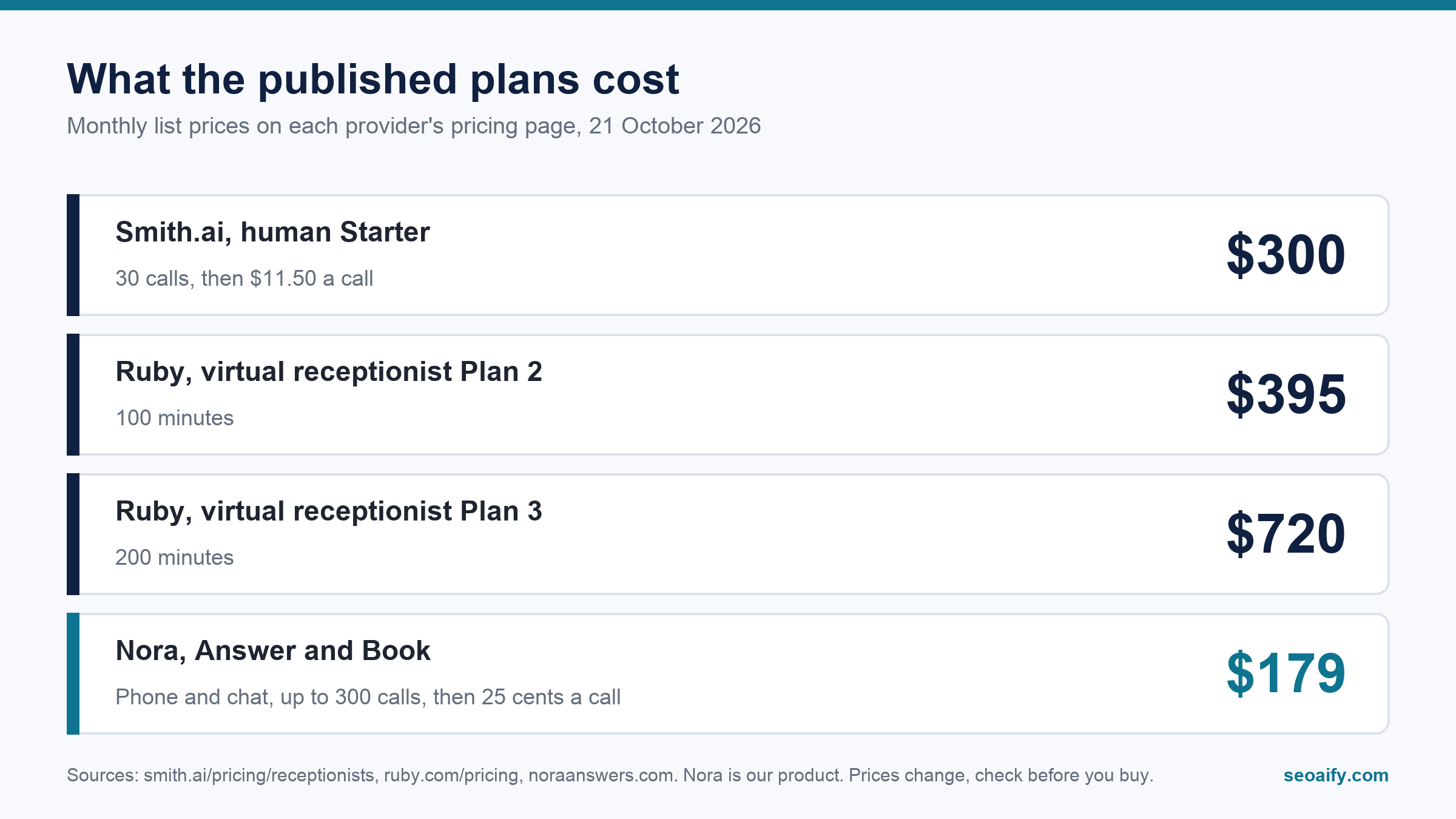
Full disclosure: we make one of the options on that chart. It’s called Nora, and the plans are:
- Answer, $79 a month: website chat only, for companies whose problem is visitors leaving the site at night.
- Answer and Book, $179 a month: website chat plus your phone line, up to 300 phone calls a month.
- Always On, $349 a month: chat and phone for high volume companies running emergency cover.
Every plan starts with 14 days free. We build and train her on your business first, so you’re judging real calls rather than an empty demo.
Prices alone don’t settle it, though. Ask any provider these questions before you sign:
- What happens on the 31st call, or the 101st minute?
- How fast does the lead reach me, and in what form?
- Will it quote a price I haven’t approved?
- Who updates the script when my service area or prices change?
What Nora does on a 2am call, and what she won’t do
Nora answers your phone and your website chat with the same training behind both. On a typical night call she:
- picks up without a menu or hold music and asks what has happened
- works out where it is and how urgent it is, using the service area and the out of hours rules you gave her
- takes the name, number, address and the problem, and reads it back
- emails your office the moment she has enough to act on, with the full transcript in your dashboard
She never invents a price. If a caller asks what a job costs and you haven’t given her a figure, she says a person will confirm it. She doesn’t open by announcing she’s an AI, and she never claims to be human either. Ask her straight and she tells you.
You don’t have to take our word for any of that. Ring the demo line on noraanswers.com, +1 408 913 6328, and tell her your basement is flooding. She answers for a made up company called Marchfield Restoration so you can hear how she handles a real trade call.

Which option fits your company
There isn’t one right answer, so here’s how we’d think about it.
Voicemail is fine if you’re a one van operation that does mainly planned work and rarely gets night emergencies. Be honest with yourself about whether that’s really true, though, and don’t set your listing to 24 hours if nobody answers.
A human answering service makes sense if your callers are often elderly or very distressed, you need someone to page a technician in real time, and your volume is steady enough that per call pricing stays predictable.
An AI receptionist makes sense if your problem is volume and timing: calls you miss mid job, calls that land at the same moment, and storm weeks when the phone never stops. It also suits companies that want every lead written down the same way, every time.
Plenty of companies mix them. A common setup is AI answering first, with a rule that a genuine emergency gets your on call phone number by email straight away.
Answering the phone is half of it. Being found is the other half
None of this helps if the caller never finds you. The 2am homeowner is searching Google Maps, and if your profile sits at position fourteen they ring someone else before they ever see your number.
That’s the other half of what we do. Our local SEO for restoration companies works on the profile itself: categories, services, service area, hours that are actually right, photos and posts. It’s also worth keeping an eye on who can edit those hours, because Google now gives you four days to reject a suggested edit before it may go live.
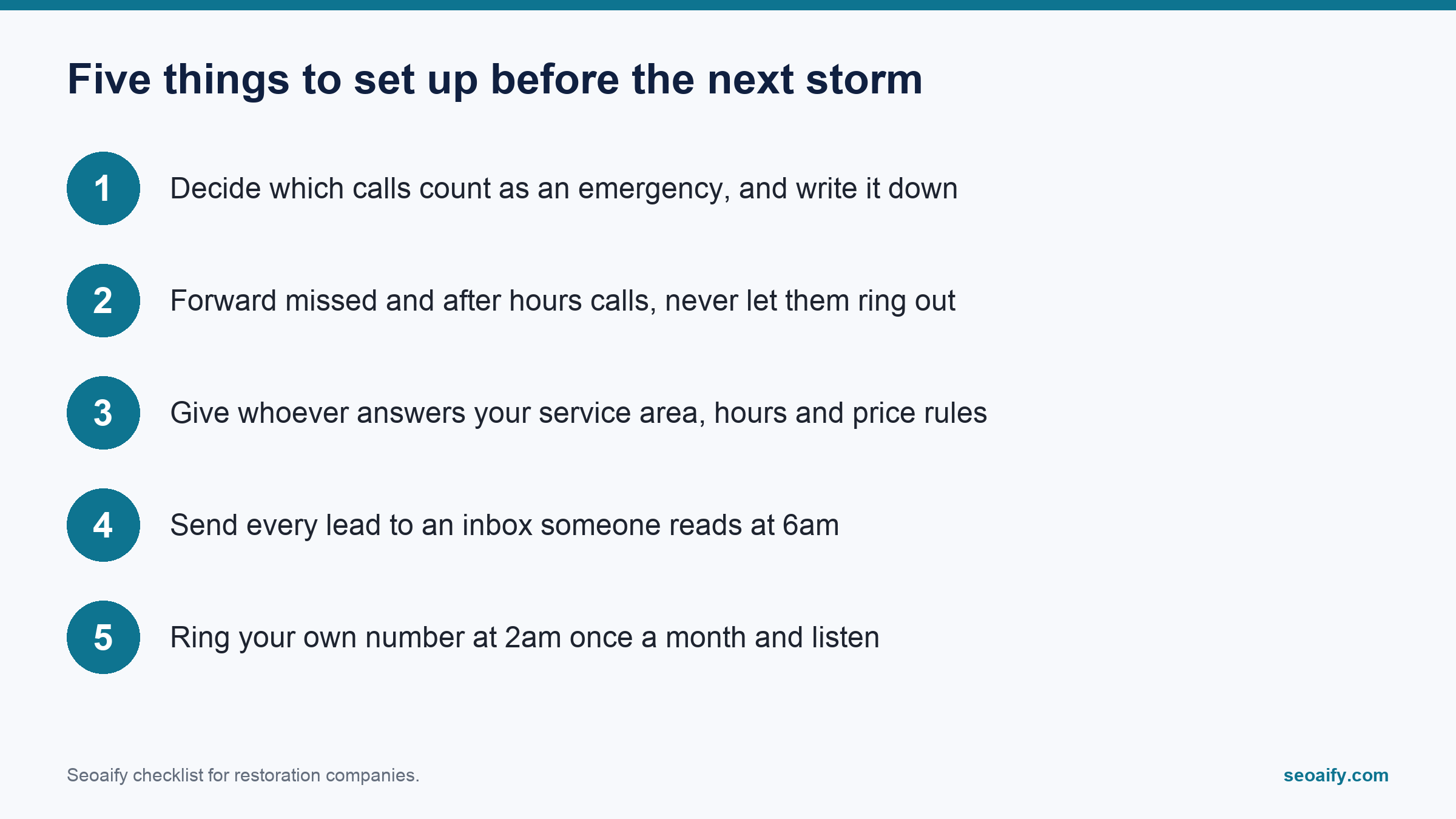
Five things to set up before the next storm
- Define an emergency. Write down which calls need someone on site tonight and which can wait for a morning callback.
- Forward the calls you miss. Set your line to forward on busy and on no answer, not just after hours, so a call never rings out.
- Brief whoever answers. Give them your service area, hours and the prices you will and won’t quote, whether that’s an agent’s script or an AI’s training.
- Send leads somewhere someone reads at 6am. A lead that sits unread until noon is almost as lost as one that never came in.
- Test it yourself. Ring your own number at 2am once a month and listen to what a customer hears.
Frequently asked questions
Do restoration companies need a 24 hour answering service?
If you take emergency water damage work, yes, in some form. Water damage gets worse by the hour, so callers ring the next company rather than wait. In our scrape, 95% of top three water damage listings were set to open 24 hours, so the expectation is already there.
How much does an after hours answering service cost?
Published human plans we checked on 21 October 2026 start at $250 a month for 50 minutes (Ruby) and $300 a month for 30 calls (Smith.ai), rising with volume. AI receptionists are usually a flat monthly fee. Nora’s phone and chat plan is $179 a month for up to 300 calls.
Can an AI receptionist handle emergency water damage calls?
It can answer the call, find out what happened and where, take the details and get them to you immediately. It can’t send a crew. Your office or on call technician still decides and dispatches. A good one never quotes a price you haven’t approved.
Will callers know they are talking to an AI?
It depends on the product. Nora doesn’t announce it at the start of a call, but she never claims to be a person, and if a caller asks she says straight away that she is an AI assistant and carries on helping.
Does answering calls 24 hours help my Google Maps ranking?
We can’t say it does directly. Top ranked restoration listings in our data were slightly more likely to be set to open 24 hours, but that is a correlation. Google does ask businesses to keep hours accurate, and if you advertise 24 hours you should be able to answer.
How we got the numbers: we recorded Google’s local results for water damage restoration in 30 US cities in October 2026, capturing each listing’s position and the hours set on it, then removed duplicates to get 1,156 businesses. Positions 1 to 3 had 171 listings, 4 to 10 had 411 and 11 to 20 had 567. Competitor prices were read from each provider’s public pricing page on 21 October 2026.